
Being a Photographer Does Not Automatically Make Someone a Newborn Photographer
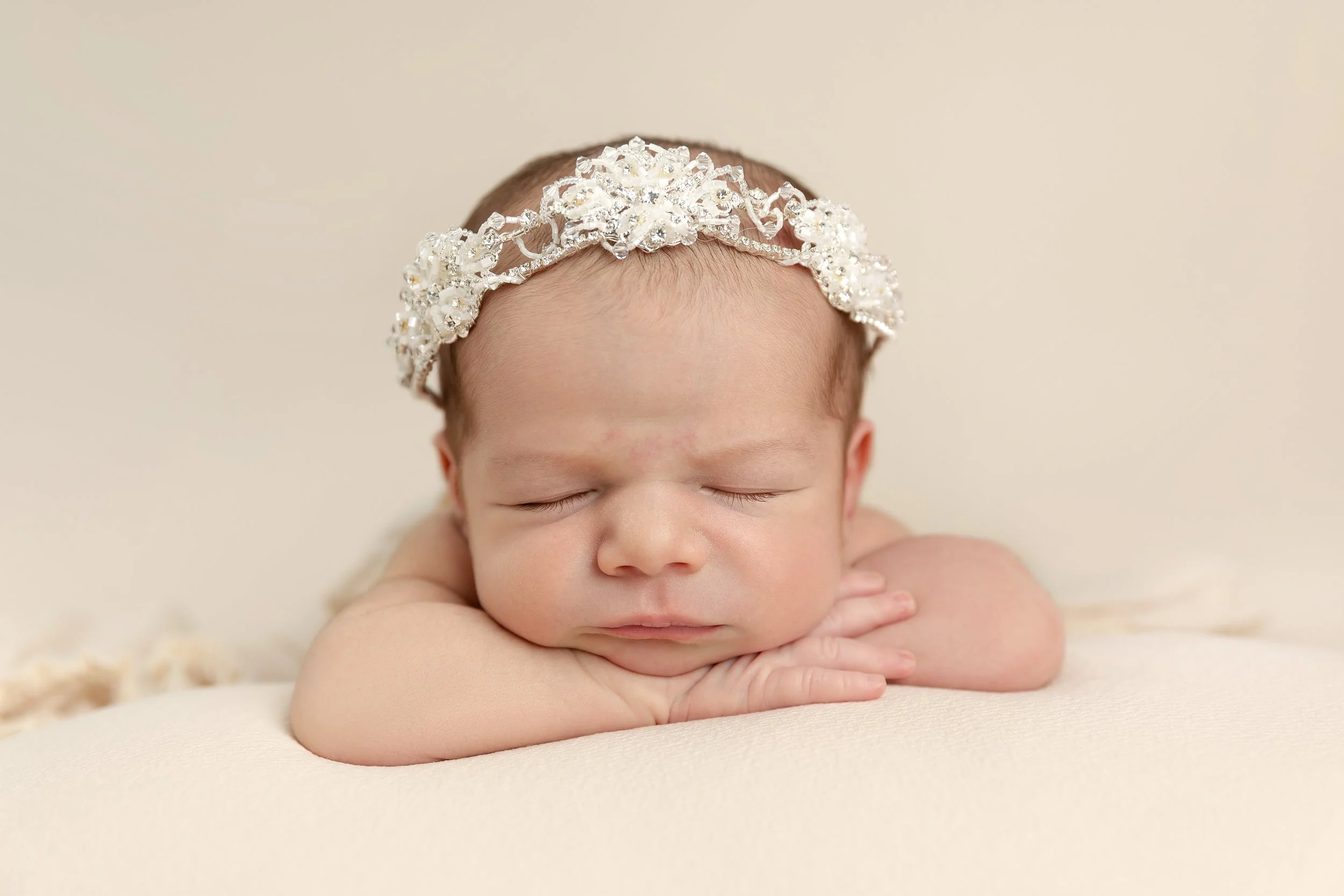
When you are expecting a baby, you make careful decisions about everything to include your doctor, your hospital, your car seat, and even which brand of diapers and wipes to buy. Yet when it comes to newborn photography, many parents do not realize that this is one of the few professions that works directly with newborn babies without any required licensing, certification, or regulation.
Anyone with a camera can advertise newborn photography or reply to an inquiry on social media that they can do it. But safely posing and photographing a baby who is only days old requires far more than knowing how to use a camera. Don’t get me wrong. You should have the skills to use a camera correctly in manual mode, understand lighting, composition, best angles and how to be creative with props and wraps but all this is second to safety and knowledge about a baby’s physiology.
Newborn photography is a highly specialized field that combines photography, infant physiology, safe posing, infection control, and risk management. A true newborn photographer is trained not only in creating beautiful photos, but in protecting your baby at every moment during the session.
Why Newborn Photography Requires Specialized Training
Newborns cannot support their own heads. Their joints are not stable. Their circulation and airways can be affected by positioning. They have more than one soft spot on their head. They cannot tell us when something feels uncomfortable or unsafe.
Because of this, professional newborn photographers must be trained to:
Read infant body cues
Understand circulation and airway safety
Use proper hand placement and spotters
Maintain a sanitary studio environment (Hence, the outdoor shoes off at the door policy I have :) )
Know when a pose should not be attempted
Safely composite photos when needed (I personally do not do composites and I don’t do the froggie pose)
This is why newborn photography should never be treated like a standard portrait session. EVER!
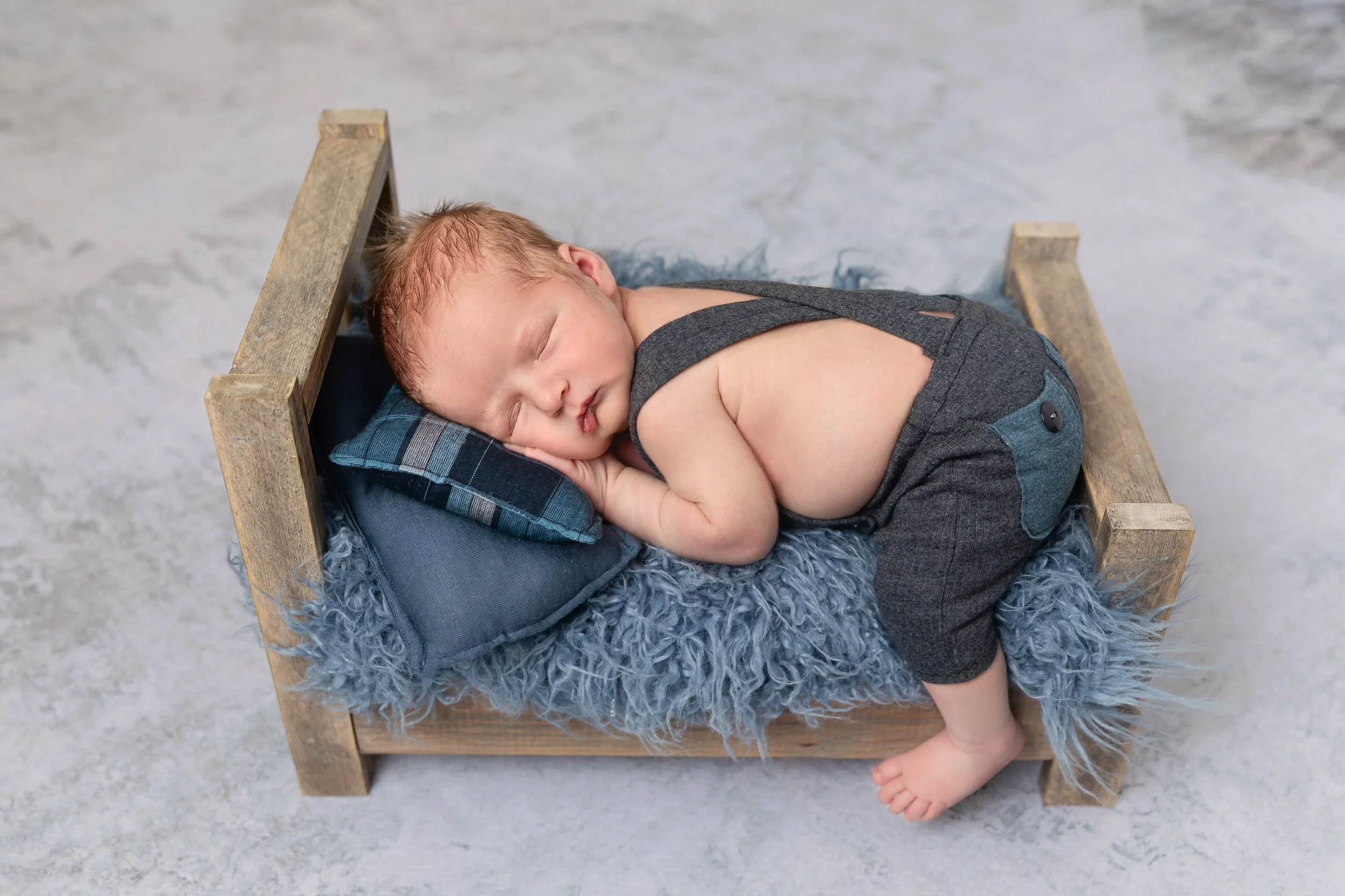
Questions Every Parent Should Ask Their Newborn Photographer
(This was adapted from the APNPI site)
If you are considering newborn photos, these are important questions to ask before you book:
1. How long have you been photographing newborns, and approximately how many babies have you worked with?
Experience matters. Handling hundreds of newborns builds both technical skill and safety awareness.
2. Have you received newborn-specific hands-on training? Who trained you?
Online videos and trial-and-error are not enough. Look for in-person safety and posing education from recognized newborn photography educators. Ana Brandt is one of the best and so is any of her certified trainers.
3. What safety practices do you have in place in your studio specifically for newborns?
This includes sanitation, temperature control, safe posing workflows, and emergency readiness.
4. Will my baby be supported by hands in all upright or suspended poses?
No newborn should ever be unsupported. Many popular poses are actually created using composites where hands are edited out later for safety.
5. Do you work with an assistant or allow spotters?
A second set of trained eyes and hands is critical. If no assistant is present, parents should be allowed to spot their baby and this is only recommended if the photographer has had safety hands on training.
6. What happens if you or someone in your household becomes ill?
A professional newborn photographer should have clear illness and rescheduling policies to protect fragile babies.
7. Are you up to date on vaccines recommended when working with pregnant and newborn populations?
This is an industry best practice and an important layer of protection for newborn clients.
8. Can you point me to educational resources about newborn photography safety?
A professional will be happy to share credible information so you can make informed choices.
9. Are you a member of a newborn-specific professional organization?
Look for organizations that provide education, testing, and safety standards for newborn photographers.
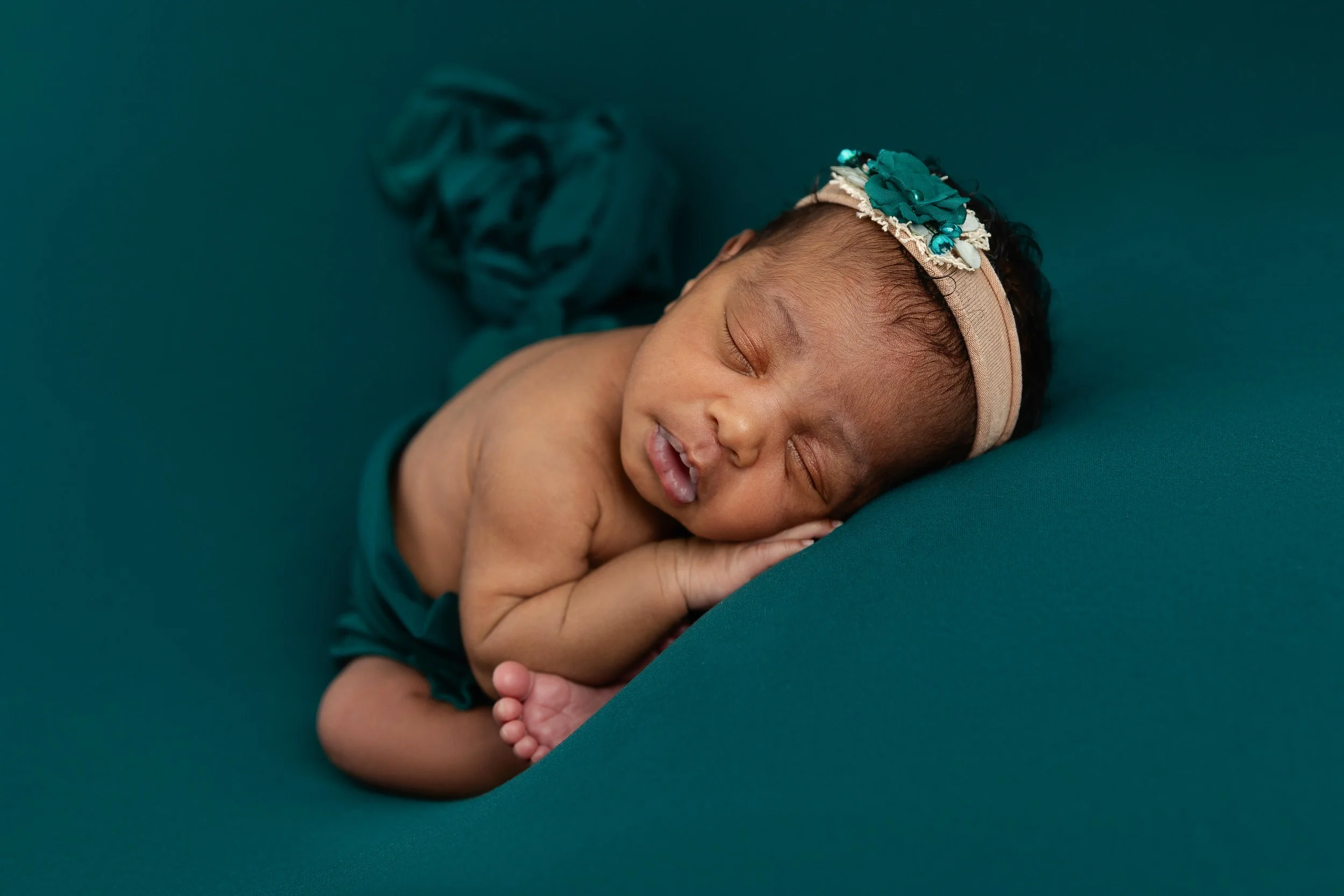
What APNPI Means for Your Baby
Newborn photography is currently unregulated. There is no government-issued license and no required certification. That is why professional organizations matter.
The Accredited Professional Newborn Photographers International (APNPI) organization tests and evaluates photographers based on safety knowledge, posing skills, and professional standards. Members must demonstrate not just artistic ability, but a deep understanding of newborn safety and best practices.
This means:
Formal safety education and hands-on training by credentialed newborn photographers
Ongoing professional development
Accountability to industry standards
A commitment to protecting babies first
Beautiful photos matter, but your baby’s safety matters more. I can’t say that loud enough.
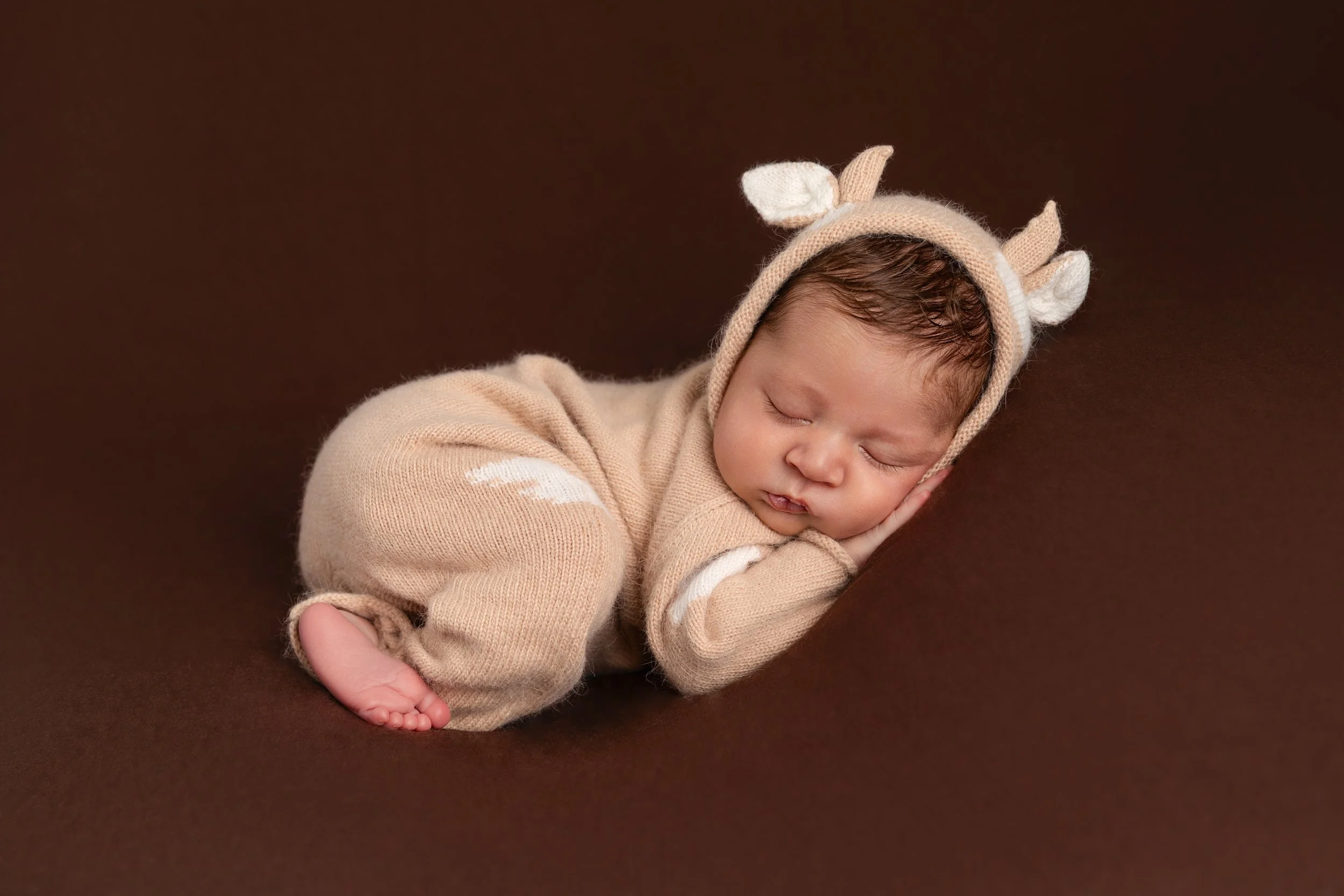
Choosing the Right Newborn Photographer
When you invite someone to handle your newborn, you are trusting them with something priceless. Asking these questions is not being difficult, it is being a good parent.
If a photographer cannot clearly answer these questions or becomes defensive, that is important information.
A trained newborn photographer will welcome these conversations, because safety is not an add-on to their business. It is the foundation of it.
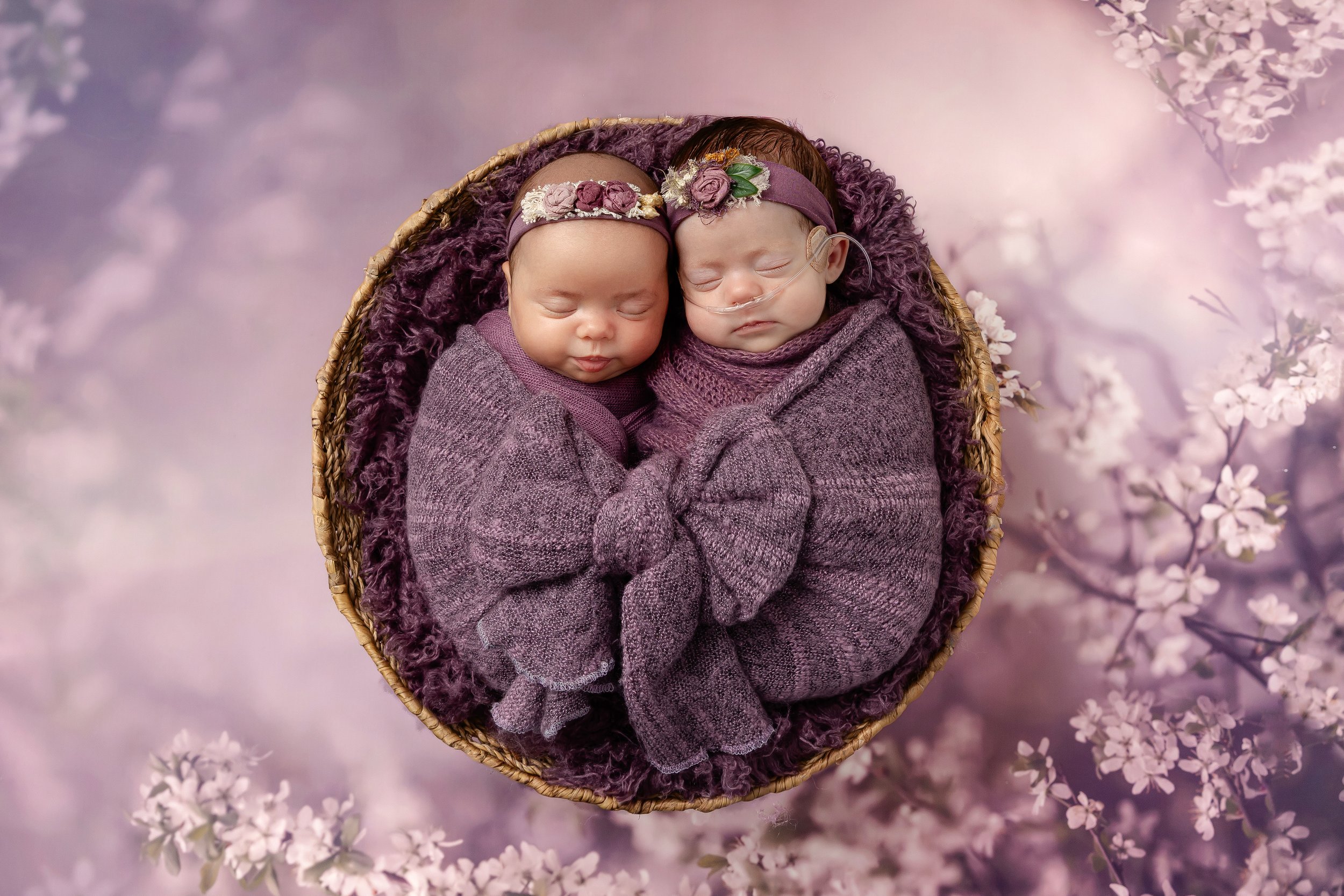
Ready to Book a Safe, Professional Newborn Session?
Newborn sessions are best photographed within the first 2-3 weeks after birth, which means your photographer should be reserved well before your baby arrives. I only take a limited number of newborns each month so that every family receives the time, care, and attention they deserve.
If you are expecting and would like to learn more about a newborn experience built around safety, training, and personalized care, I would love to talk with you.
You can reach me through my website through the CONTACT button on my home page to reserve your spot. We will schedule your session based on your due date and then finalize your actual session date once your baby arrives.
Your baby’s first portraits should be created with skill, patience (sometimes a lot of patience), and the highest safety standards and I would be honoured to be the one to do that for you.
Debi Spencer-Zerby Photography
Cheyenne, Wyoming
